
The electric vehicle industry looks crowded right now.
Every few months, a new EV startup appears promising revolutionary batteries, smarter software, cheaper mobility, or futuristic designs. Investors pour money into the sector, governments announce subsidies, and social media declares that the EV revolution is unstoppable.
But there’s a problem most people are ignoring:
Not all EV companies will survive.
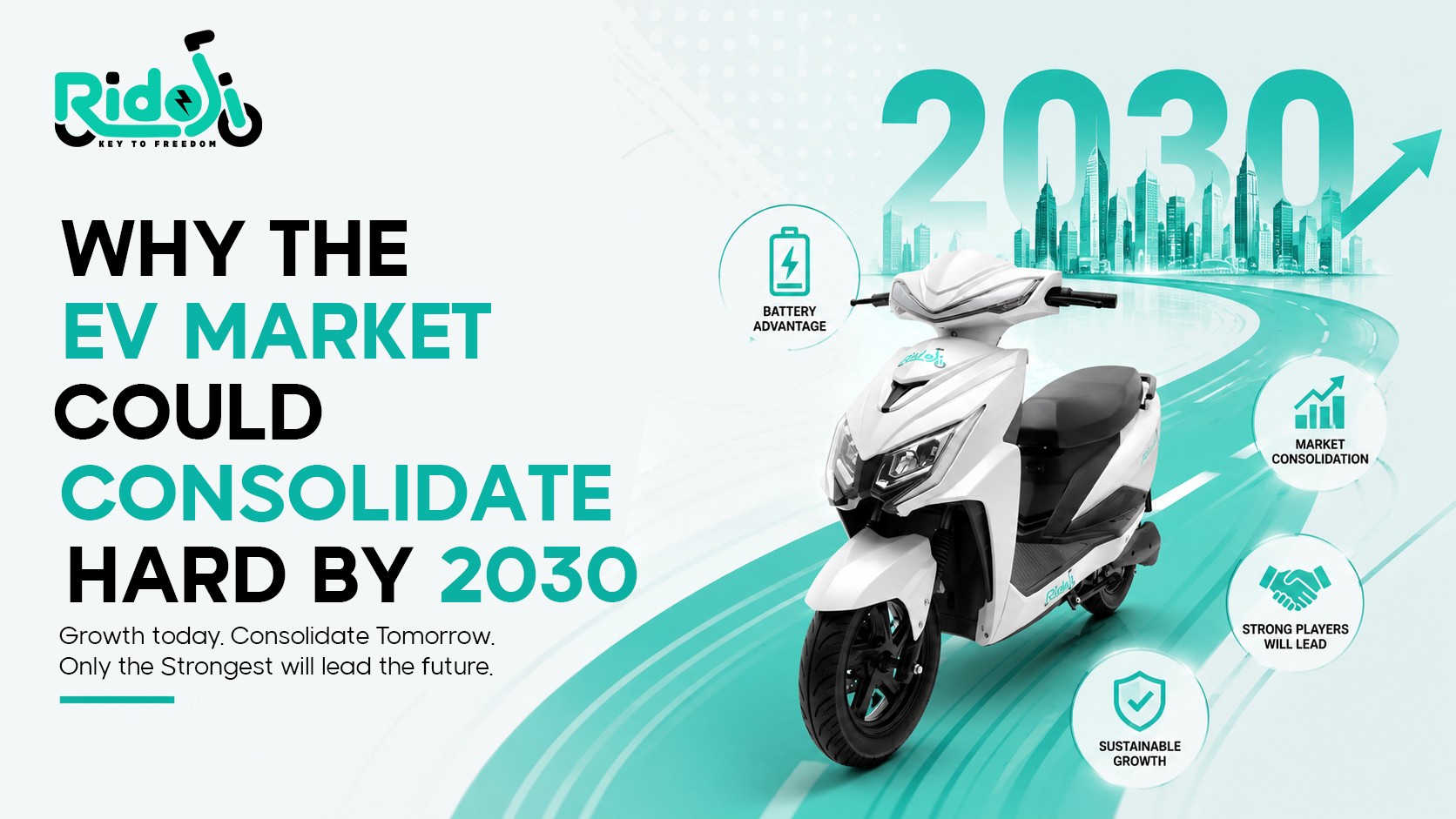
In fact, by 2030, the EV market could consolidate aggressively. Many brands that exist today may disappear, merge, or get acquired. That includes electric car companies, battery startups, charging networks, and even the rapidly growing EV Scooty market.
This isn’t unusual. It happens in almost every major technological shift.
The smartphone market is consolidated. The airline industry consolidated. E-commerce consolidated. Ride-sharing consolidated. The same thing could happen to electric vehicles.
The EV industry is currently in its expansion phase. But eventually, growth gives way to competition, margin pressure, and survival battles.
And when that happens, only a few companies usually dominate.
The EV Industry Is Growing Too Fast
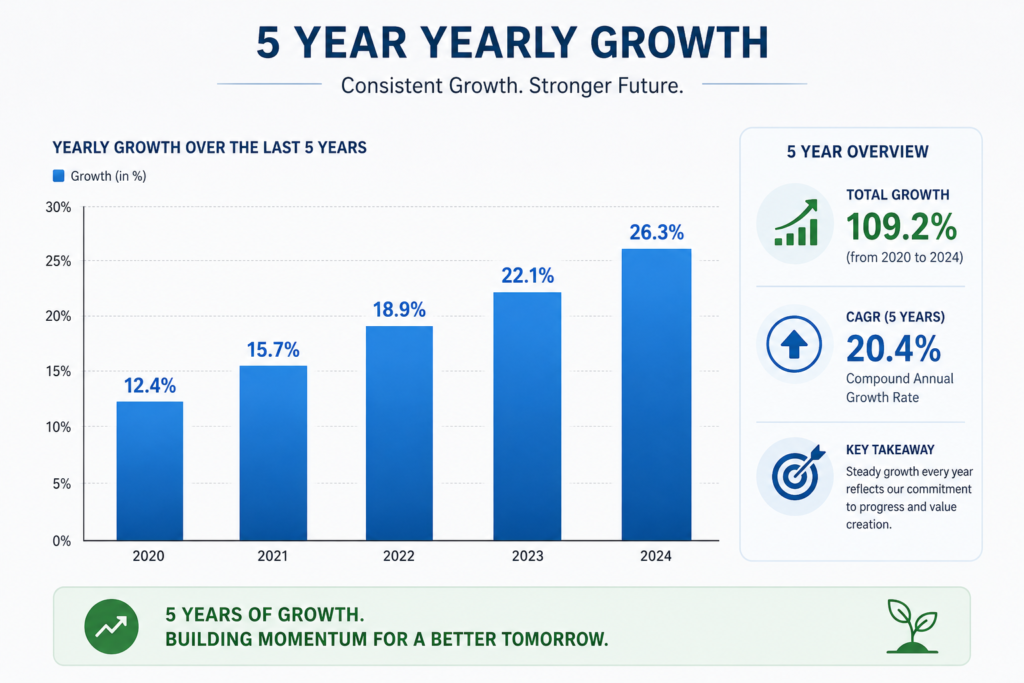
The EV market expanded at incredible speed over the last decade.
Governments pushed clean mobility policies. Consumers became more environmentally conscious. Battery costs started falling. Oil prices remained volatile. Investors chased the next Tesla-like opportunity.
That created a flood of competition.
Today, the market includes:
- Global automakers
- EV startups
- Battery manufacturers
- Charging infrastructure companies
- Software platforms
- Fleet operators
- EV Scooty brands
- Mobility subscription companies
At first, this kind of competition looks healthy.
But industries can become overcrowded very quickly.
Right now, many EV companies are still surviving because investors believe future demand will justify current losses. That works during growth cycles. It becomes dangerous during market slowdowns.
The problem is simple:
Too many companies are chasing the same customers.
Why EV Consolidation Is Almost Inevitable
Most people assume EV demand alone guarantees success.
It doesn’t.
Growing industries often create more losers than winners because rapid growth attracts excessive competition. Eventually, weaker companies run out of cash, fail to scale, or lose pricing power.
The EV market has several characteristics that naturally lead toward consolidation.
1. Manufacturing Is Brutally Expensive
Building vehicles at scale is not easy.
Designing prototypes is exciting. Manufacturing hundreds of thousands of vehicles profitably is a completely different challenge.
Companies need:
- factories
- battery supply chains
- logistics systems
- dealership or delivery infrastructure
- software support
- servicing networks
- working capital
This is especially difficult in the EV Scooty market, where companies are competing heavily on price.
Margins in electric two-wheelers are already under pressure in countries like India because customers are highly price-sensitive. That means weaker EV Scooty brands may struggle to survive long term.
Only companies with operational efficiency and scale will likely survive.
Price Wars Are Already Starting
One of the clearest signs of future consolidation is aggressive price competition.
Tesla triggered multiple price cuts globally. Chinese EV manufacturers are pushing low-cost vehicles into international markets. Legacy automakers are discounting EVs to gain market share.
This creates a dangerous cycle:
- Prices fall
- Margins shrink
- Smaller companies lose cash faster
- Strong players survive longer
The EV Scooty market is already seeing this.
Many companies initially entered the market with premium pricing and ambitious branding. But as competition increased, prices started dropping.
That’s great for consumers.
It’s brutal for businesses.
By 2030, many EV Scooty startups could disappear simply because they cannot compete against manufacturers with larger production scale.
China Could Accelerate Global Consolidation
One of the biggest forces shaping the future EV market is China.
Chinese companies dominate battery manufacturing, supply chains, and low-cost production. Companies like BYD have shown how difficult it is for global competitors to match Chinese manufacturing efficiency.
This matters enormously.
Because if Chinese EV companies continue expanding globally, they could:
- reduce prices internationally
- pressure weaker startups
- dominate battery sourcing
- accelerate market consolidation
The EV Scooty sector could be especially vulnerable because low-cost manufacturing matters heavily in two-wheelers.
Brands without strong differentiation may struggle to survive once cheaper imports become more competitive.
That’s why many analysts believe the EV industry could eventually resemble the smartphone industry:
a few dominant players controlling most of the market.
Investors Are Becoming Less Patient
For years, investors rewarded EV companies simply for growth.
Profitability didn’t matter much.
Narrative mattered more.
A startup only needed:
- a futuristic presentation
- ambitious delivery targets
- AI-related branding
- sustainability messaging
That environment is changing.
Today, investors want:
- cash flow
- production scale
- healthy margins
- operational discipline
This shift is important because many EV companies still depend heavily on external funding.
When capital becomes harder to raise, weaker businesses collapse faster.
The EV Scooty industry could face this problem sharply because many smaller companies are still in early growth phases and burning cash aggressively.
Some brands may never reach profitability before funding conditions tighten.
Battery Economics Will Eliminate Weak Players
Batteries remain the most important and expensive component in EVs.
Companies that control battery sourcing and production have a huge advantage.
This is one reason why vertically integrated players may dominate by 2030.
Battery competition is becoming intense because:
- lithium demand is rising
- raw material costs fluctuate
- geopolitical risks affect supply chains
- battery innovation requires huge investment
Smaller EV Scooty manufacturers may struggle to secure affordable batteries compared to larger companies with stronger supplier relationships.
And without competitive battery pricing, profitability becomes difficult.
This creates a major survival problem for smaller brands.
Consumers Will Stop Experimenting
During the early EV boom, consumers were willing to try unfamiliar brands.
That won’t continue forever.
As the market matures, buyers will prioritize:
- reliability
- servicing
- resale value
- charging support
- software stability
- spare part availability
This benefits larger established companies.
Imagine someone buying an EV Scooty in 2030. They won’t just ask:
“Is it affordable?”
They’ll ask:
- Will this company exist in five years?
- Can I get replacement batteries?
- Is servicing available nearby?
- What happens if the startup shuts down?
Trust becomes critical in mature industries.
That naturally favors stronger brands and accelerates consolidation.
The Charging Infrastructure Battle
Charging infrastructure may become another major consolidation trigger.
Building large charging networks requires enormous investment. Smaller operators may struggle to maintain expansion.
Eventually, the market could favor a few dominant charging ecosystems integrated directly with major manufacturers.
This matters for the EV Scooty ecosystem too.
Companies that can integrate:
- charging
- battery swapping
- app ecosystems
- financing
- servicing
will likely gain stronger customer loyalty.
Smaller isolated players may struggle to compete.
Government Subsidies Won’t Last Forever
Many EV businesses grew rapidly because governments supported them through:
- tax incentives
- subsidies
- production incentives
- lower registration costs
But subsidies are temporary.
Once governments reduce support, companies must survive based on actual business strength.
That transition could expose weak economics across parts of the industry.
The EV Scooty market in India provides a good example.
Several companies expanded aggressively during subsidy-heavy periods. But once policies change or incentives reduce, profitability becomes much harder.
Businesses that relied mainly on government support may face serious pressure.
Legacy Automakers Still Have Advantages
Many people underestimate traditional automakers in the EV race.
That may be a mistake.
Legacy companies already understand:
- mass manufacturing
- supply chain management
- dealer networks
- compliance systems
- financing operations
Startups may innovate faster, but established companies know how to survive industrial competition.
This matters because the EV industry is becoming less about vision and more about execution.
The same logic applies to the EV Scooty market.
Brands with strong distribution, service networks, and manufacturing partnerships could eventually dominate over smaller trendy startups.
The EV Market May Look Very Different by 2030
By 2030, the EV industry may no longer contain hundreds of competing brands.
Instead, we could see:
- a few dominant global manufacturers
- several regional specialists
- integrated charging ecosystems
- vertically integrated battery giants
- fewer but stronger EV Scooty brands
This doesn’t mean innovation stops.
It means survival becomes harder.
The companies that remain will likely have:
- large-scale manufacturing
- financial stability
- strong ecosystems
- software capabilities
- supply chain control
Everyone else may struggle.
What This Means for Consumers
Consolidation is not automatically bad.
Consumers could benefit from:
- more reliable products
- better charging infrastructure
- lower prices
- improved servicing
- stronger software ecosystems
But there’s also a downside.
Less competition can eventually reduce innovation and increase market dominance by a few giant companies.
The EV Scooty segment may become especially concentrated because scale matters heavily in low-cost transportation.
Smaller regional brands could vanish if they fail to compete with larger manufacturers on pricing and distribution.
What This Means for Investors
Investors should stop assuming every EV company will become successful.
That’s unlikely.
The EV market resembles many previous technology booms:
- huge excitement early
- excessive competition
- aggressive funding
- eventual consolidation
The winners may not even be the loudest companies today.
Investors should focus on businesses with:
- manufacturing efficiency
- strong balance sheets
- battery access
- scalable operations
- realistic paths to profitability
The EV Scooty market may still offer enormous opportunities, especially in countries where two-wheelers dominate transportation.
But many companies in this space may disappear before the industry stabilizes.
That’s the uncomfortable reality of competitive markets.
Final Thoughts
The EV revolution is real.
But that does not mean every EV company survives.
The next five years could become one of the most important periods in the industry’s history. Growth alone will no longer protect weak businesses. Companies will need operational discipline, financial strength, and long-term scalability.
By 2030, the EV market could look far smaller in terms of the number of players — but much larger in terms of total adoption.
That’s how industries mature.
The EV Scooty segment may experience some of the toughest competition because it combines:
- price-sensitive consumers
- aggressive manufacturing competition
- battery dependency
- thin margins
Some brands will emerge as dominant mobility platforms.
Others may vanish despite early hype.
And that’s the part most investors still underestimate.